
Home
1830
1839-05-11: Ontario passes “An Act to Authorise the Erection of an Asylum within this Province for the Reception of Insane and Lunatic Person.”
1860
1865: First proto-eugenics articles by Francis Galton in MacMillan's Magazine
1866-02-20: Gregor Mendel publishes his paper, “Versuche über Pflanzenhybriden”
1867: Ugly Laws
1867: Canadian Constitution Act gives federal parliament legislative authority over "Indians, and Lands reserved for Indians"
1869: Galton publishes Hereditary Genius
1870
1870: Canadian Residential Schools in operation
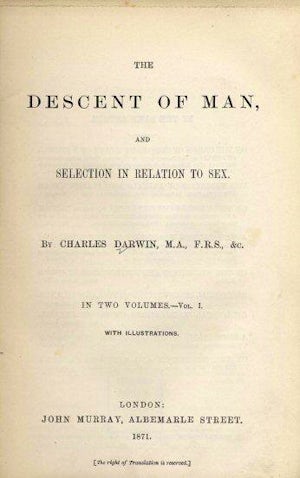
1871: Charles Darwin publishes The Descent of Man

Canada introduces "Employment Equity Act"

Canada introduces "Employment Equity Act"

1986 The Employment Equity Act is passed by the federal government. This Act helps to ensure that all Canadians have equal access to the labour market, and are not denied employment opportunities or benefits for “reasons unrelated to ability.” More specifically, it seeks to “correct the conditions of disadvantage in employment experienced by women, aboriginal peoples, persons with disabilities, and members of visible minorities,” and requires that employers take action to ensure the full representation of these four designated groups within their organizations.

-Caroline Lyster

  • Government of Canada. (2015). Employment Equity Act. S.C. 1995, c. 44. Retrieved from http://laws-lois.justice.gc.ca/PDF/E-5.401.pdf.

  • Employment Equity. (n.d.). Canadian Human Rights Commission. Retrieved from http://www.chrc-ccdp.ca/eng/content/employment-equity.

  • A Brief History of Employment Equity in Canada. (n.d.). Public Service Alliance of Canada. Retrieved from http://psacunion.ca/brief-history-employment-equity-canada.

Canada introduces "Employment Equity Act"

Canada introduces "Employment Equity Act"

1986 The Employment Equity Act is passed by the federal government. This Act helps to ensure that all Canadians have equal access to the labour market, and are not denied employment opportunities or benefits for “reasons unrelated to ability.” More specifically, it seeks to “correct the conditions of disadvantage in employment experienced by women, aboriginal peoples, persons with disabilities, and members of visible minorities,” and requires that employers take action to ensure the full representation of these four designated groups within their organizations.

-Caroline Lyster

  • Government of Canada. (2015). Employment Equity Act. S.C. 1995, c. 44. Retrieved from http://laws-lois.justice.gc.ca/PDF/E-5.401.pdf.

  • Employment Equity. (n.d.). Canadian Human Rights Commission. Retrieved from http://www.chrc-ccdp.ca/eng/content/employment-equity.

  • A Brief History of Employment Equity in Canada. (n.d.). Public Service Alliance of Canada. Retrieved from http://psacunion.ca/brief-history-employment-equity-canada.