Home
1830
1839-05-11: Ontario passes “An Act to Authorise the Erection of an Asylum within this Province for the Reception of Insane and Lunatic Person.”
1860
1865: First proto-eugenics articles by Francis Galton in MacMillan's Magazine
1866-02-20: Gregor Mendel publishes his paper, “Versuche über Pflanzenhybriden”
1867: Ugly Laws
1867: Canadian Constitution Act gives federal parliament legislative authority over "Indians, and Lands reserved for Indians"
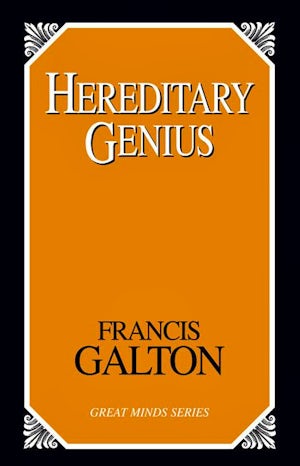
1869: Galton publishes Hereditary Genius
1870
1870: Canadian Residential Schools in operation
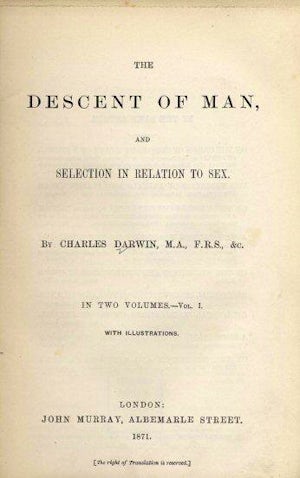
1871: Charles Darwin publishes The Descent of Man

The Island of Dr. Moreau is made into the film The Island of Lost Souls

<i>The Island of Dr. Moreau</i> is made into the film <i>The Island of Lost Souls</i>

The Island of Dr. Moreau is made into the film The Island of Lost Souls

December 1932. Paramount pictures releases the film The Island of Lost Souls based on H.G. Wells’ novel The Island of Dr. Moreau published in 1896. The film starring Charles Laughton and Richard Arlen (with a special appearance by Bela Lugosi) centers around a scientist who has built his lab on a remote island while trying to create the perfect human. Along the way the scientist resorts to surgery and experimentation producing a population of half-man half-beast creatures and demonstrating the folly of playing with nature.

The movie The Island of Lost Souls came out at a time when genetic manipulation was an important topic in popular culture. Paramount Pictures invited eugenicist Julian Huxley to visit the set while filming, in order to verify the accuracy of the film's science (Kirby, 2007). The eugenic use of genetic engineering in support of creating a perfect human made the movie distinct from others at the time, especially as the double helix had yet to be discovered (Kirby, 2007). The movie also made heavy use of a Russian announcement to try and evolve a human from an ape in their promotions (Kirby, 2007).

Full text of The Island of Doctor Moreau by H.G. Wells upon which the film is based is available online through the Gutenberg Project.

-Leslie Baker

  • Paramount Pictures (Producer), & Kenton, E. (Director). (1932). Island of Lost Souls [Motion picture]. United States: Paramount Pictures.

  • Kirby, D. A. (2007). The Devil in Our DNA: A Brief History of Eugenics in Science Fiction Films. Literature and Medicine, 26(1), 83-108.

The Island of Dr. Moreau is made into the film The Island of Lost Souls

<i>The Island of Dr. Moreau</i> is made into the film <i>The Island of Lost Souls</i>

The Island of Dr. Moreau is made into the film The Island of Lost Souls

December 1932. Paramount pictures releases the film The Island of Lost Souls based on H.G. Wells’ novel The Island of Dr. Moreau published in 1896. The film starring Charles Laughton and Richard Arlen (with a special appearance by Bela Lugosi) centers around a scientist who has built his lab on a remote island while trying to create the perfect human. Along the way the scientist resorts to surgery and experimentation producing a population of half-man half-beast creatures and demonstrating the folly of playing with nature.

The movie The Island of Lost Souls came out at a time when genetic manipulation was an important topic in popular culture. Paramount Pictures invited eugenicist Julian Huxley to visit the set while filming, in order to verify the accuracy of the film's science (Kirby, 2007). The eugenic use of genetic engineering in support of creating a perfect human made the movie distinct from others at the time, especially as the double helix had yet to be discovered (Kirby, 2007). The movie also made heavy use of a Russian announcement to try and evolve a human from an ape in their promotions (Kirby, 2007).

Full text of The Island of Doctor Moreau by H.G. Wells upon which the film is based is available online through the Gutenberg Project.

-Leslie Baker

  • Paramount Pictures (Producer), & Kenton, E. (Director). (1932). Island of Lost Souls [Motion picture]. United States: Paramount Pictures.

  • Kirby, D. A. (2007). The Devil in Our DNA: A Brief History of Eugenics in Science Fiction Films. Literature and Medicine, 26(1), 83-108.