
Home
1830
1839-05-11: Ontario passes “An Act to Authorise the Erection of an Asylum within this Province for the Reception of Insane and Lunatic Person.”
1860
1865: First proto-eugenics articles by Francis Galton in MacMillan's Magazine
1866-02-20: Gregor Mendel publishes his paper, “Versuche über Pflanzenhybriden”
1867: Ugly Laws
1867: Canadian Constitution Act gives federal parliament legislative authority over "Indians, and Lands reserved for Indians"
1869: Galton publishes Hereditary Genius
1870
1870: Canadian Residential Schools in operation
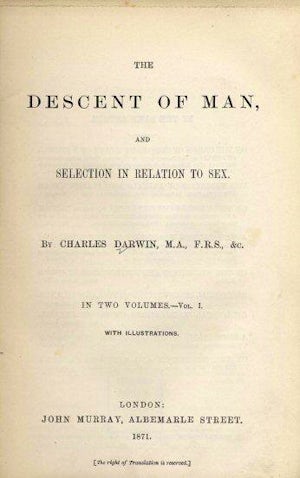
1871: Charles Darwin publishes The Descent of Man

Nevada passed a sexual sterilization law targeting men who were charged for sexual crimes; however, no people were sterilized

Nevada passed a sexual sterilization law targeting men who were charged for sexual crimes; however, no people were sterilized

1911. The Legislature of Nevada passes an Act dealing with the sterilization of those found guilty of particular criminal offenses. The legislation was signed into law by Republican Governor Tasker Oddie in 1911 (Kaelber, 2011).

Modeled after the 1909 sterilization law of Washington state, according to this legislation if someone was convicted of raping a female under the age of ten, then, in addition to normal confinement or punishment, that individual could be sterilized (Revised Laws of Nevada, Sec. 6293, §28, 1812). The legislation outlined that any operation for the prevention of procreation could be performed except for castration (Revised Laws of Nevada, Sec. 6293,§28, 1812). The Nevada State Penitentiary in Carson City was intended as the location for the sterilization procedures (Laughlin, p. 79).

No person was sterilized under Nevada’s statute. This is because the legislation was deemed unconstitutional by a Federal Circuit Court in 1918, the result of Mickle v. Henrichs (Paul, p. 553). The Circuit found that a sentence involving sterilization constituted cruel and unusual punishment. After the 1918 decision, the law remained on the books until 1961, when it was finally repealed (Paul, pp. 552-553).

The importance of this legislation in eugenics history is its place as both one of the first pieces of legislation to pass and it being one of the first to challenged and deemed unconstitutional.

-Luke Kersten

  • Kaelber, L. (2011). Eugenics: Compulsory Sterilization in 50 American States. Retrieved from http://www.uvm.edu/~lkaelber/eugenics/NV/NV.html.

  • Landman, J.H. (1932). Human Sterilization: The History of the Sexual Sterilization Movement. New York: MacMillan.

  • Laughlin, H.H. (1922). Eugenical Sterilization in the United States. Chicago: Municipal Court of Chicago.

  • Paul, J. (1965). “Three Generations of Imbeciles are Enough:” State Eugenic Sterilization Laws in American Thought and Practice. (Unpublished manuscript). Washington D.C.: Walter Reed Army Institute of Research.

  • State of Nevada. (1911). Revised Laws of Nevada, S. 6293, §28, 1812.ec.

Nevada passed a sexual sterilization law targeting men who were charged for sexual crimes; however, no people were sterilized

Nevada passed a sexual sterilization law targeting men who were charged for sexual crimes; however, no people were sterilized

1911. The Legislature of Nevada passes an Act dealing with the sterilization of those found guilty of particular criminal offenses. The legislation was signed into law by Republican Governor Tasker Oddie in 1911 (Kaelber, 2011).

Modeled after the 1909 sterilization law of Washington state, according to this legislation if someone was convicted of raping a female under the age of ten, then, in addition to normal confinement or punishment, that individual could be sterilized (Revised Laws of Nevada, Sec. 6293, §28, 1812). The legislation outlined that any operation for the prevention of procreation could be performed except for castration (Revised Laws of Nevada, Sec. 6293,§28, 1812). The Nevada State Penitentiary in Carson City was intended as the location for the sterilization procedures (Laughlin, p. 79).

No person was sterilized under Nevada’s statute. This is because the legislation was deemed unconstitutional by a Federal Circuit Court in 1918, the result of Mickle v. Henrichs (Paul, p. 553). The Circuit found that a sentence involving sterilization constituted cruel and unusual punishment. After the 1918 decision, the law remained on the books until 1961, when it was finally repealed (Paul, pp. 552-553).

The importance of this legislation in eugenics history is its place as both one of the first pieces of legislation to pass and it being one of the first to challenged and deemed unconstitutional.

-Luke Kersten

  • Kaelber, L. (2011). Eugenics: Compulsory Sterilization in 50 American States. Retrieved from http://www.uvm.edu/~lkaelber/eugenics/NV/NV.html.

  • Landman, J.H. (1932). Human Sterilization: The History of the Sexual Sterilization Movement. New York: MacMillan.

  • Laughlin, H.H. (1922). Eugenical Sterilization in the United States. Chicago: Municipal Court of Chicago.

  • Paul, J. (1965). “Three Generations of Imbeciles are Enough:” State Eugenic Sterilization Laws in American Thought and Practice. (Unpublished manuscript). Washington D.C.: Walter Reed Army Institute of Research.

  • State of Nevada. (1911). Revised Laws of Nevada, S. 6293, §28, 1812.ec.